
A healthier lifestyle involves more than eating nutritious foods and exercising regularly. It also means creating an environment where people can maintain their independence, participate in their communities, pursue interests, and manage everyday responsibilities. Accessibility plays an important role in these goals because people have different physical abilities, learning needs, preferences, and circumstances.
Meaningful improvements don’t require changing everything at once. By identifying individual needs, exploring available resources, and developing practical routines, you can make gradual progress toward a lifestyle that supports physical health, emotional well-being, and greater independence.
Build a Personalized Wellness Routine That Supports Your Goals
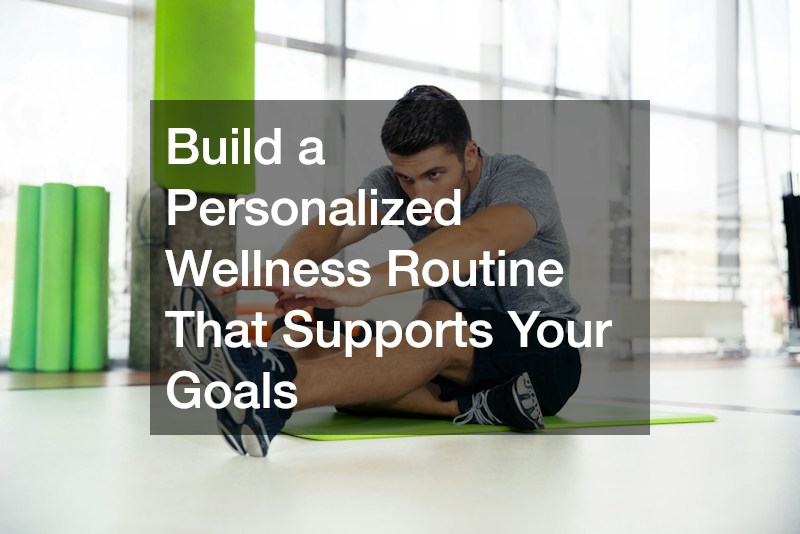
A sustainable wellness routine should reflect your needs, preferences, and health goals. Rather than following every new trend, focus on habits that fit comfortably into your schedule. Consistent sleep, balanced meals, hydration, and stress management can provide a foundation for everyday well-being.
Some people also explore medical spas for aesthetic treatments or selected wellness services. Before scheduling an appointment, research the provider’s qualifications, the treatments offered, and any potential risks. Ask about accessibility accommodations if you have mobility limitations or other needs that could affect your visit.
Consider these steps when building your routine:
- Set realistic goals: Choose manageable habits, such as taking regular breaks from sitting or establishing a consistent bedtime.
- Review your needs: Consider your energy levels, daily responsibilities, and any professional health guidance you have received.
- Research providers: Ask about staff credentials, treatment suitability, costs, and recovery requirements before committing.
- Track progress: Use a simple journal to identify which habits help you feel and function better.
A personalized routine should remain flexible. Revisit your goals periodically and adjust them as your circumstances change.
Protect Joint Health With Safe Movement and Professional Guidance
Movement can help support strength, flexibility, balance, and the ability to complete everyday tasks. However, an appropriate activity level varies from person to person. Someone managing joint discomfort may need a different exercise routine from someone preparing for a recreational cycling trip.
Orthopedic specialists can assess musculoskeletal concerns, including persistent joint pain, injuries, and movement limitations. A consultation may help you understand the cause of your symptoms and explore suitable treatment or rehabilitation options.
You can also make physical activity more comfortable by choosing activities that match your abilities and gradually increasing their difficulty.
- Warm up before exercising: Begin with gentle movements appropriate for your activity.
- Choose supportive equipment: Comfortable footwear and properly fitted exercise accessories can improve comfort.
- Modify demanding activities: Consider lower-impact alternatives when running, jumping, or lifting aggravates discomfort.
- Prepare for appointments: Record your symptoms, when they occur, and which activities make them better or worse.
Avoid pushing through significant or worsening pain. Seek medical advice when symptoms persist or interfere with daily activities. Professional guidance can help you choose movements that support your goals without placing unnecessary strain on your body.
Encourage Early Learning Through Language and Inclusive Play
Children benefit from opportunities to explore language, build relationships, and participate in activities that encourage curiosity. Parents can support these experiences through reading, imaginative play, music, and conversations that enjoyably introduce new ideas.
Spanish immersion preschools offer one option for families interested in early second-language exposure. These programs generally incorporate Spanish into classroom activities, routines, and interactions. When comparing schools, ask how teachers support children with different language backgrounds, developmental needs, and learning styles.
Families can support language development at home by:
- Reading together: Choose illustrated books and discuss the characters, events, and unfamiliar words.
- Using everyday phrases: Incorporate simple greetings, colors, or common expressions into daily routines.
- Encouraging play: Use songs, puzzles, pretend games, and storytelling to make learning engaging.
- Discussing accommodations: Ask schools about classroom accessibility, communication support, and approaches to individual learning needs.
Children do not all learn in the same way or at the same speed. Pay attention to their interests and responses rather than treating progress as a competition. A combination of supportive instruction and playful practice can make learning more enjoyable for the whole family.
Make Community Outings More Engaging and Accessible
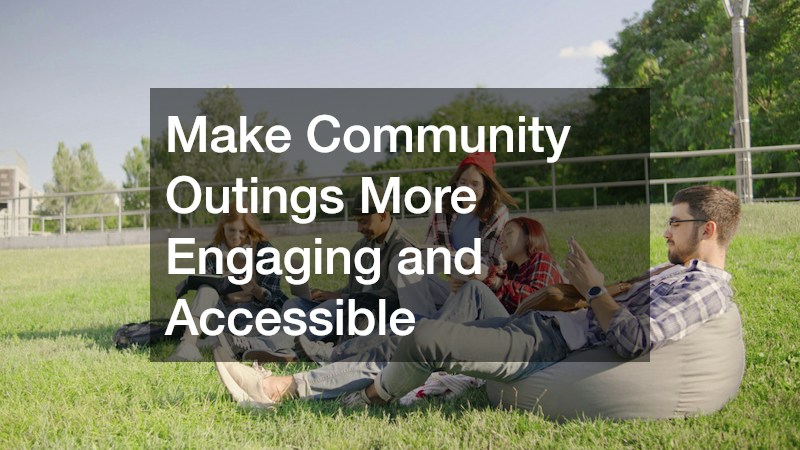
Community outings provide opportunities to learn, socialize, and experience places beyond familiar surroundings. Museums, public gardens, cultural centers, and neighborhood events can offer activities for people with different interests and abilities.
A historic museum, for example, may introduce visitors to local heritage, architecture, art, or important community events. Before visiting, review the venue’s accessibility information. An attraction may have accessible entrances but still contain exhibits or routes that present challenges for some visitors.
Planning can make an outing more comfortable for everyone.
- Check physical access: Look for information about step-free entrances, elevators, accessible restrooms, and seating.
- Review transportation: Identify accessible parking, public transit options, and drop-off locations.
- Plan rest breaks: Consider the walking distance, expected crowd levels, and availability of places to sit.
- Ask about accommodations: Contact the venue about mobility devices, sensory-friendly visits, or alternative exhibit formats.
Involve everyone in choosing the destination and activities. Someone who enjoys quiet exploration may prefer a different schedule from a visitor who wants to attend a guided tour. Flexible planning helps people participate without making the outing unnecessarily tiring.
Keep Mobility Equipment Safe, Comfortable, and Dependable
Mobility equipment can help people navigate their homes and communities, attend appointments, and maintain social connections. Keeping a wheelchair or scooter in suitable working condition is important because equipment problems can interrupt essential activities and create safety concerns.
Wheelchair scooter repair services can assess mechanical issues, worn components, battery problems, and other faults that affect performance. If your equipment behaves differently than usual, consult the manufacturer’s guidance and contact a qualified repair provider when necessary. Avoid attempting repairs that require specialist knowledge.
Routine checks can help you identify potential problems early.
- Inspect tires and wheels: Look for visible damage, unusual wear, or changes that affect movement.
- Monitor battery performance: Follow the manufacturer’s charging instructions and note unexpected reductions in operating time.
- Check controls and brakes: Report unresponsive controls, unusual noises, or inconsistent braking.
- Maintain service records: Keep repair details, equipment information, and provider contact information in one accessible place.
Ask about expected repair times and temporary mobility options if equipment will be unavailable. For essential devices, planning for maintenance before a problem develops may reduce disruption. Never continue using equipment when a suspected fault could compromise your safety.
Choose Active Transportation That Fits Your Abilities
Active transportation can incorporate movement into everyday routines while helping people reach nearby destinations. Walking and cycling may be suitable for some individuals, while others may prefer adaptive cycles, mobility devices, public transportation, or a combination of options.
A local bike shop can help riders compare bicycle styles, choose an appropriate frame size, and find accessories suited to their needs. Ask staff to explain how different models handle, what maintenance they require, and which safety features are available.
Before making cycling part of your routine, consider the following:
- Evaluate your comfort: Check the riding position, seat height, handlebar reach, and ease of mounting and dismounting.
- Choose suitable routes: Look for manageable distances, safe crossings, and road or path conditions appropriate for your equipment.
- Use safety equipment: Select a properly fitted helmet and visibility accessories suitable for your riding conditions.
- Build gradually: Begin with short trips and increase distance as your comfort and ability allow.
If conventional cycling is not suitable, explore adaptive equipment or other transportation methods. The goal is to find a practical way to travel that supports independence, comfort, and participation in everyday life.
Create Welcoming Spaces That Encourage Participation
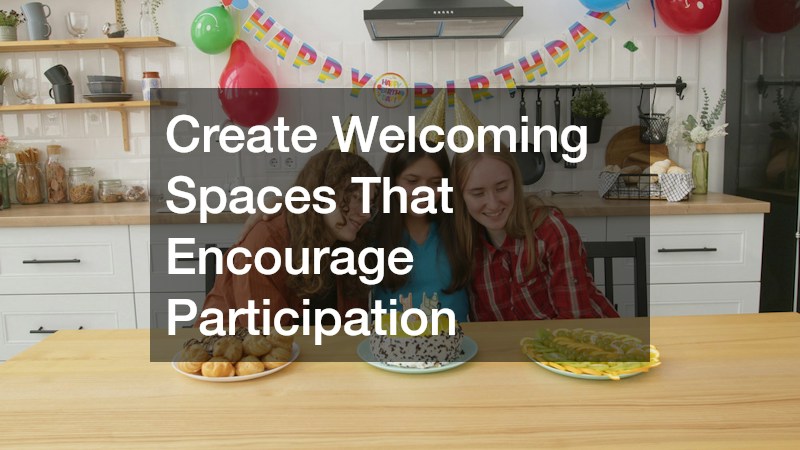
Accessible environments depend partly on how clearly information is communicated. At community events, recreational activities, and family gatherings, people need to know where to go, what to expect, and how to request assistance.
A custom banner can help identify an event entrance, direct attendees toward a registration area, or communicate essential information. Effective signage should be easy to read from an appropriate distance and positioned where people can see it without blocking pathways.
When preparing signs or event materials, focus on clarity and usability.
- Use readable text: Choose a clear typeface, suitable lettering size, and strong contrast between the text and background.
- Keep messages concise: Highlight essential details instead of filling signs with lengthy explanations.
- Position signs thoughtfully: Place them near decision points without obstructing wheelchair routes or other pedestrian access.
- Provide accessible information: Offer written directions and alternative ways to obtain event details when appropriate.
Accessibility also involves listening to attendees. Ask about accommodation needs during registration, identify accessible restrooms, and explain how participants can request assistance. Good communication cannot resolve every physical barrier, but it can reduce confusion and help visitors feel more comfortable participating.
Make Major Life Transitions Easier for Older Adults
Moving to a smaller home, relocating closer to family, or transitioning to a more supportive living environment can involve emotional and practical challenges. Older adults may need to sort years of belongings while considering changing mobility needs, familiar routines, and personal preferences.
Senior move management can help coordinate tasks such as downsizing, organizing possessions, arranging movers, and preparing a new living space. The level of assistance varies, so discuss responsibilities, timelines, and fees before choosing a provider.
A successful transition should prioritize the older adult’s choices and future comfort.
- Start conversations early: Discuss preferences, concerns, and goals before making major decisions.
- Sort belongings gradually: Separate essential items, meaningful possessions, donations, and items that can be discarded.
- Assess the new home: Review lighting, entryways, bathroom access, storage, and potential trip hazards.
- Plan familiar routines: Arrange frequently used belongings where they are easy to reach and preserve meaningful daily habits.
Family members can help coordinate appointments, paperwork, and transportation without taking control of every decision. Allowing older adults to remain involved can make the transition more respectful and manageable.
Use Personalized Items to Strengthen Belonging and Organization
Personalized items can help people express their interests and feel connected to a group. Clubs, volunteer organizations, recreational programs, and community activities may use matching accessories to recognize participation or distinguish equipment.
Custom patches offer a flexible option for adding designs to bags, jackets, uniforms, and other suitable belongings. They can represent a hobby, group membership, or personal achievement. When choosing a design, consider where the item will be used and whether the material will remain comfortable during everyday activities.
A few practical considerations can help you make useful choices:
- Choose meaningful designs: Involve participants in selecting colors, symbols, and wording.
- Consider durability: Check whether the patch and attachment method suit the item’s fabric and intended use.
- Prioritize comfort: Avoid placements that rub against skin or interfere with movement.
- Protect privacy: Do not display sensitive personal details, such as a home address, on frequently carried items.
Personalization can also support organization by helping people distinguish similar bags or accessories in shared settings. However, it should complement rather than replace practical identification systems when safety or equipment management requires more reliable labeling.
Protect Personal Information While Simplifying Daily Tasks
An organized home can make daily responsibilities easier to manage. Paperwork is a useful place to start because accumulated statements, receipts, forms, and outdated records can take up space and sometimes contain sensitive personal information.
A paper shredding company can provide document destruction services for households that need to dispose of confidential paperwork. Before using a provider, ask how documents are collected, handled, and destroyed, particularly if you have a large quantity of sensitive records.
Start by sorting papers into clear categories:
- Keep: Store important legal documents, essential records, and paperwork that must remain accessible.
- Review: Check retention requirements before discarding tax records, financial statements, or medical documents.
- Destroy securely: Separate unnecessary papers containing account details, personal identifiers, or other confidential information.
- Organize what remains: Use labeled folders or secure digital storage to make important records easier to find.
Avoid assuming every old document can be discarded immediately. Retention requirements vary by document type and personal circumstances, so check the relevant guidance first. When storing digital copies, use secure accounts and appropriate access protections.
Creating a healthier and more accessible lifestyle begins with recognizing what helps you feel well, participate in daily activities, and maintain independence. Small changes to personal routines, transportation choices, household organization, and community participation can make everyday experiences more comfortable and practical.
Progress does not need to happen all at once. By staying informed, seeking appropriate professional guidance, and making thoughtful adjustments over time, you can build a lifestyle that better supports health, comfort, inclusion, and independence.